Every product team hears from customers. The trouble is where it lands: a feature request in an email, a bug in a support ticket, an idea in a direct message, a complaint on a sales call. By the time you plan the next release, most of it is forgotten, and the loudest voice in the room decides what gets built.
A simple customer feedback process fixes that. You don’t need a big tool or a research team. You need one place to collect it, a fair way to rank it and a habit of telling people what happened.
Why does customer feedback get lost?
Because it arrives everywhere and belongs nowhere. Nobody owns the inbox where ideas pile up, so they never make it into planning. And customers who took the time to ask for something never hear back, so they stop asking.
How do you collect customer feedback in one place?
Give every product (or every client, if you’re an agency) its own feedback board, and point every channel at it:
- Add a “Suggest a feature” link inside your app and in your help docs.
- When a request comes in by email or chat, post it to the board instead of replying “great idea!”
- Let customers see existing requests so they upvote instead of creating duplicates.
One board per product keeps the signal clean and makes it obvious where feedback goes.
How do you decide what to build next?
Use the votes as a signal, not a rule. A simple scoring pass each planning cycle works well:
- Demand: how many people want it (upvotes and repeat requests)?
- Fit: does it serve the customers you most want to keep?
- Effort: is it a day, a week or a quarter?
- Impact: will it reduce churn, support load or sales friction?
High demand, good fit and low effort goes to the top. High effort items need stronger evidence before they make the roadmap.
What does “closing the loop” mean, and why does it matter?
Closing the loop means telling customers what happened to their request. Move items from “planned” to “in progress” to “shipped,” and let the people who asked know when it’s done.
It’s the cheapest loyalty program there is. Customers who see their idea shipped become advocates, and they keep giving you useful feedback.
What makes a feedback request useful?
A vague request like “make it better” is hard to act on. Encourage customers to include:
- What they were trying to do, not just the feature they want. “I need to send monthly reports to my boss” tells you more than “add CSV export.”
- How often it comes up. Daily pain beats a once-a-year annoyance.
- What they do today instead. Workarounds show how much the problem costs them.
A short prompt on your feedback board, such as “What were you trying to do?”, improves the quality of requests right away.
What are the most common feedback mistakes?
- Building for the loudest customer instead of the most common need.
- Promising dates you can’t keep. “Planned” is fine; a specific date is a commitment.
- Collecting but never reviewing. A board nobody reads is worse than none, because customers can see it’s ignored.
- Going silent after shipping. If you built it, tell the people who asked.
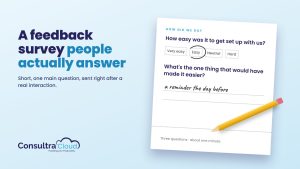
A roadmap is only as good as the feedback behind it. Our guide to running a customer feedback survey people answer covers the questions, timing and how to close the loop.
Frequently asked questions
How often should we review feedback?
Do a quick triage weekly and a proper prioritization pass before each planning cycle.
Should every request get built?
No. The board shows demand; your strategy decides what to build. Being clear about what’s “not planned” is part of closing the loop.
Does this work for agencies with many clients?
Yes. A separate board per client or per product keeps feedback organized and easy to report on.
Build what your users actually want
MyAppFeedback gives every product its own board to collect, analyze and visualize customer feedback, with upvotes, status tracking and multi-board support. It’s priced per board, not per seat, so it stays affordable as you add products or clients. Start with a free trial, no credit card required.