
Most small business owners know they should post more, blog more and stay in front of customers. The problem isn’t ideas. It’s that marketing gets done in scraps of time between everything else, so it happens in bursts and then stops for six weeks.
The fix is to batch it. One focused afternoon a month can produce a full calendar of content, if you start from what you already have.
Why does small business marketing stall?
Because every post starts from a blank page. Writing something new every day is hard. Deciding what to say, how to say it and where to post it, every single time, is harder. When things get busy, marketing is the first thing to go.
Batching flips that. You make all the decisions once, then spend the rest of the month just publishing.
What do you need before you start?
Less than you think. Gather the raw material you already have:
- Notes from customer calls and the questions people ask most
- An existing brochure, proposal or service page
- A few photos from recent jobs or events
- A quick voice memo of you explaining what you do and who it’s for
That pile is a month of content. It just needs shaping.
How do you plan a month of marketing in one afternoon?
- Pick four themes (30 minutes). One per week. Good themes come straight from customer questions: “how to choose,” “common mistakes,” “behind the scenes,” “what’s new.”
- Write one anchor piece per theme (90 minutes). A blog post or longer LinkedIn post for each week. Start from your notes or a voice memo rather than a blank page.
- Slice each anchor into smaller posts (45 minutes). Every anchor gives you three or four social posts: a tip, a quote, a question, a photo with a caption.
- Schedule everything (30 minutes). Put it all on a calendar across your channels, so it goes out on its own while you get on with your week.
- Check in weekly (10 minutes). Reply to comments and swap in anything timely.
What does a month of content look like?
Here’s an example for a local accounting firm heading into year-end:
- Week 1, “common mistakes”: a blog post on five year-end mistakes small businesses make, plus three short social tips pulled from it.
- Week 2, “how to choose”: a LinkedIn post on what to look for in an accountant, plus a client question answered in a short video or quote graphic.
- Week 3, “behind the scenes”: a photo of the team with a caption about how you prepare for tax season, plus a “meet the team” post.
- Week 4, “what’s new”: a post on deadlines coming up in the new year, plus a reminder to book an appointment.
That’s four anchor pieces and about a dozen smaller posts, all from one afternoon and one pile of notes. Swap in your own industry and the pattern still works.
How can AI help without making you sound like a robot?
AI is best at the part that takes longest: turning rough material into a clean first draft. Feed it your own notes, your voice memo and your existing copy, then edit the result so it sounds like you. Two rules keep it honest:
- Start from your material, not a generic prompt. The more of your real words you give it, the more the output sounds like you.
- Always edit before you publish. You know your customers. AI doesn’t.
What should you measure?
Keep it simple. Each month, look at which posts got comments or clicks and which themes led to an inquiry. Do more of what worked next month and drop what didn’t.
Planning the whole year? Our 2027 small business marketing calendar has the key dates already filled in, so each month starts with a plan.
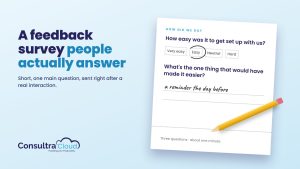
One easy post idea for any month: ask customers what you could do better. Our guide to running a customer feedback survey people answer shows how to keep it short.
Frequently asked questions
How often should a small business post on social media?
Consistency matters more than volume. A few good posts every week, every week, beats a burst of daily posts followed by silence.
Do I need a blog?
A blog gives search engines and AI assistants something substantial to find and quote. Even one solid post a month adds up over a year.
Can I turn a voice memo into a blog post?
Yes. Talking through an idea is often faster than typing it, and speech-to-text gets the words down for you to shape.
Make marketing the easiest part of your week
MyMarketingCompanion turns the material you already have into blog posts and social content, then schedules it across your channels from one calendar, with your brand assets and voice in one place. Start with a free trial, no credit card required.